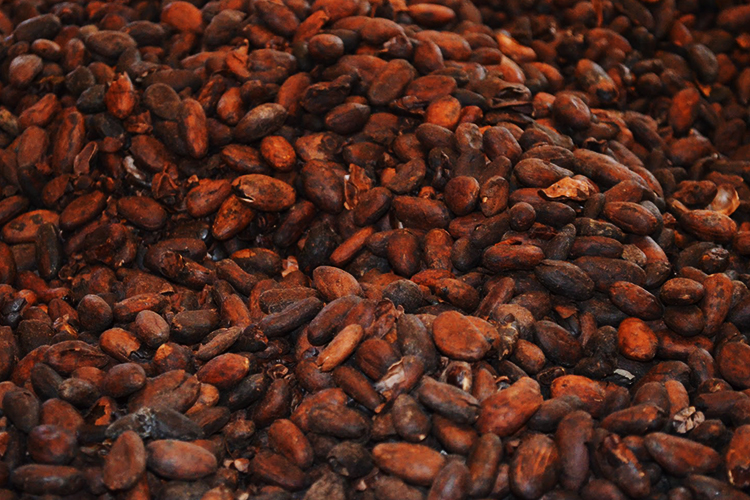
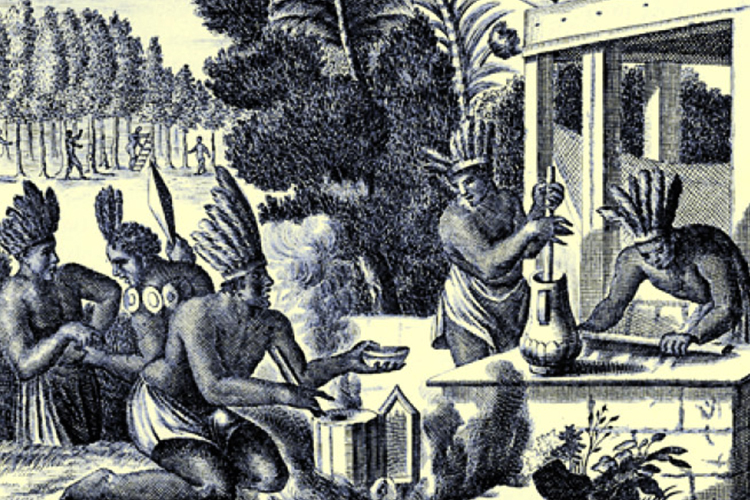
The cacao plant has very ancient origins, which according to botanical research, trace the plant’s existence back to more than 6,000 years ago in the Amazon and Orinoco rivers. The first people to cultivate the plant were the Maya in 1,000 A.C. According to Aztec legend, the origins of the plant are linked to the death of a princess who sacrificed her own life to avoid revealing to her enemies the position of a hidden treasure that her husband had left behind for her. Legends tells that a plant grew from the young woman’s blood. A plant whose fruit contained cacao seeds: as bitter as suffering, as strong as virtue, as red as blood. After the Mayans, the Aztecs also began cocoa cultivation and later, the production of chocolate, which was associated with Xochiquetzal, the goddess of fertility. Cacao was offered to the gods together with incense, and sometimes mixed with the priests’ blood. In the Americas, chocolate was also consumed as a drink, flavored with vanilla, black and chili pepper.
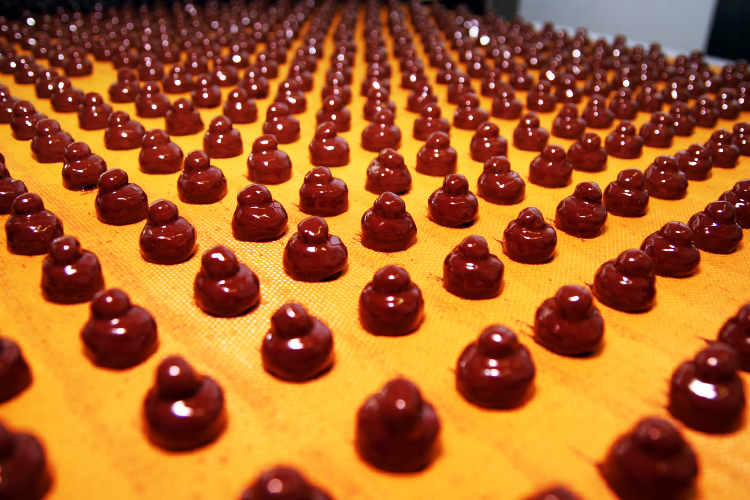
In 1802 Bozelli invented a machine to purify cacao and mix it with sugar and vanilla, but it wasn’t until 1820 that it was developed, and the first commercial chocolate bar was produced in England. In 1826, Pierre Paul Caffarel began the production of chocolate in large quantities, thanks to a new machine capable of producing more than 300 kg of chocolate a day. In 1828, the Dutchman Conrad J. van Houten patented a method of extracting fat from cocoa beans, turning it into cocoa powder and cocoa butter. The same old Aztec method is still used today in Modica to produce chocolate. The chocolate that we find today on the market is the result of lots of production experiments which successfully managed the extraction of the cocoa seed, mixing it with other ingredients. This production has been made possible thanks to the broad diffusion of this product among the public from the early nineteenth century.