Initially, however, it remained reserved for the upper classes of society, but over the centuries it spread widely among all social classes, and now everyone has tasted this divine pleasure at least once in their life. Over time obviously different ways to work it and to enrich it were developed, so making various types of chocolate were developed as we all know, but perhaps less than we think. To get a better idea, here are the 4 main varieties and their respective characteristics.

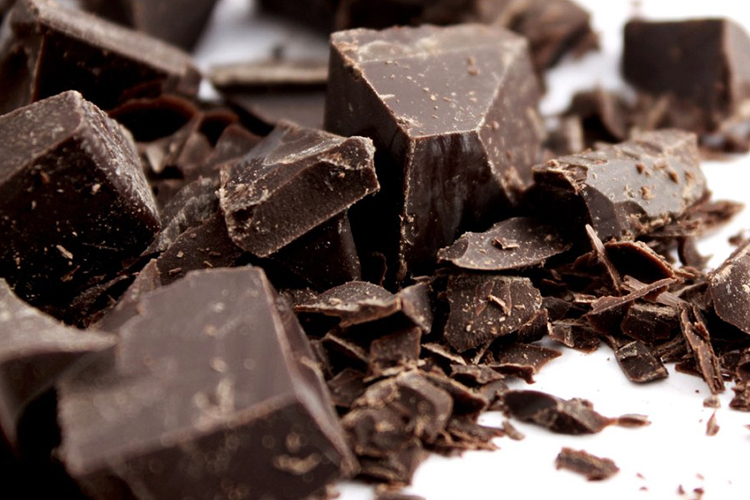
DARK: a shiny, bright and bitter and persistent flavor, dark chocolate is the most intense taste and variety with the highest percentage of cocoa. In fact, to be called a dark chocolate, it must consist of at least 35% cocoa, but often we start from 70% to up to more than 90% for the true lovers of this ancient and strong flavor.
MILK: The sweetest and softest, milk chocolate as the name suggests is made from sugar and milk, and with a percentage of cocoa that must be at least 25%. Adding other fat milk you get the finest milk chocolate, the more creamy and “candid” flavor so it is generally preferred by children. It is very sensitive to heat.
GIANDUIA: The hazelnut is a variety born in Turin in the mid-nineteenth century, where finely ground hazelnuts are added to the delicious chocolate. It is often made with milk chocolate in order to satisfy those with a sweet tooth. More crisp and tasty, it is well known in Italy but has now started to spread worldwide.
WHITE: White chocolate is made by mixing cocoa butter, sugar, milk or products derived from it. It has a very sweet taste, and is therefore often used in confectionery to prepare mousse, panna cotta and other tasty desserts. Curious the fact that in theory it is not even a chocolate, as it contains pure cocoa.

All such types of chocolate can have other ingredients added to enrich it such as: walnuts, almonds, hazelnuts, pistachios and also aromatic substances, of which the most common is vanilla. However, in whatever form it comes in and in whatever way it is worked, this ancient seed still retains all the charm and that formidable taste that was discovered in ancient times (and is still just as popular today), the food of the gods.