

Romagna is not only sea and good food. Although in summer it is undoubtedly known for its beaches and the many services it offers to the millions of tourists who flock to its beaches. Romagna hides an extremely sophisticated hinterland, true soul of the Region, wonderful and sometimes magical that deserves to be discovered in every detail.
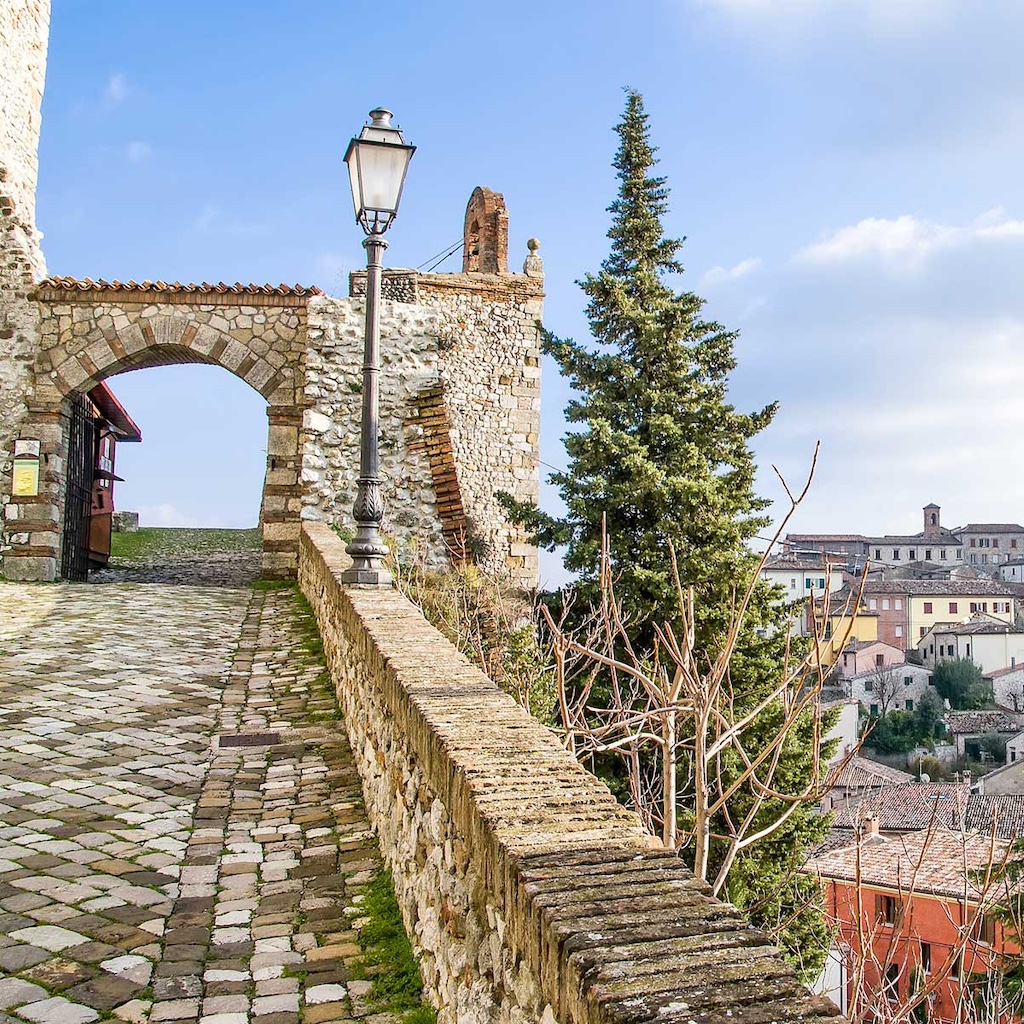
The internal area extends mainly in the area of Valmarecchia, where history, culture and archaeology meet and manifest themselves both in the small villages typical of Romagna, both in the numerous village festivals organized during the year.
dal web
Two places particularly characteristic of the Romagna hinterland are San Leo and Santarcangelo, each characterized by extraordinary peculiarities that are worth knowing.
San Leo
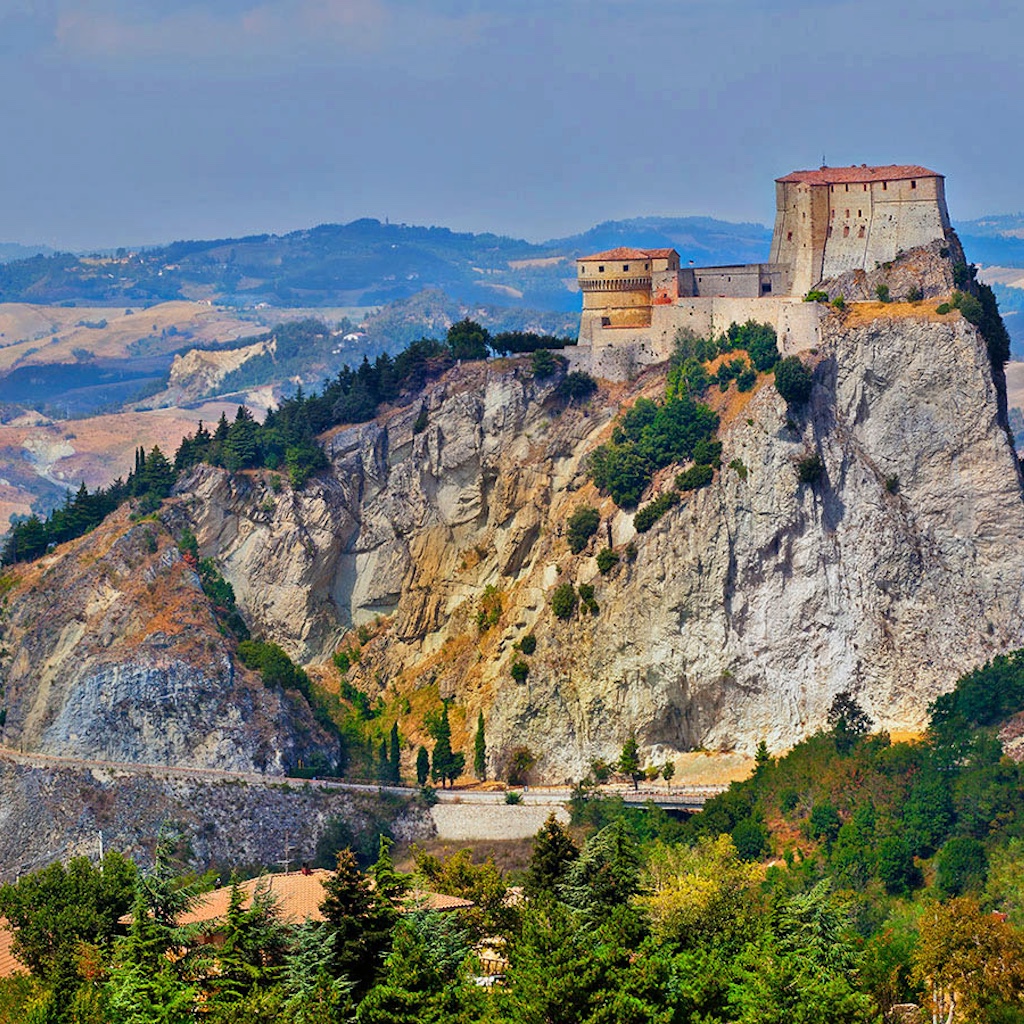
San Leo stands on a giant boulder, which has made it a strategic point since its foundation thanks to the 360 degree view of the surrounding valleys. His story had as protagonists numerous important figures, first of all that of Saint Leo who, after escaping from Dalmatia because of the persecutions imposed by Diocletian, founded the village to withdraw and start preaching the Gospel.
After him, two other characters marked the path of Saint Leo: Saint Francis of Assisi and Dante Alighieri. So in the Middle Ages was dominated by the Montefeltro family, which has long contended the village with the Medici, the Malatesta and the Della Rovere.
Finally, in the seventeenth century the village passed into the hands of the Papal States, which transformed it into a real prison and gave rise to a series of stories and legends that, even today, fascinated the most curious.
dal web
What to see around San Leo
The village of San Leo is really small but, despite this, boasts years of history and an admirable artistic heritage. Here’s what you can’t miss on a visit:
Porta di Sopra and Piazza Dante
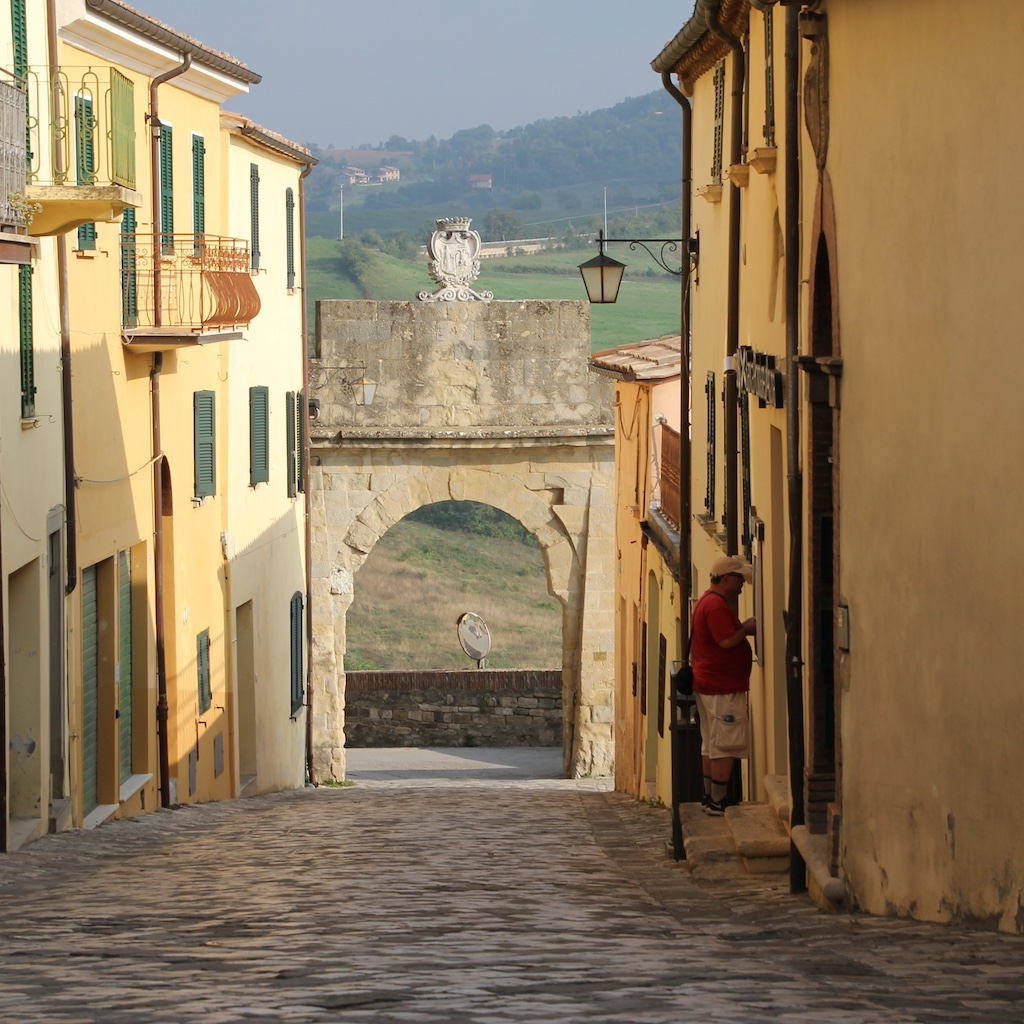
As the only access to the village, Porta di Sopra is visible and easily recognizable. Its construction dates back to 1870 and, after crossing it, you reach Piazza Dante: in the center there is a beautiful fountain, surrounded by the most important buildings of the village, such as the Palazzo Mediceo, along with the Bell Tower, the Parish Church of Santa Maria Assunta and the Cathedral of San Leone.
dal web
Palazzo Mediceo
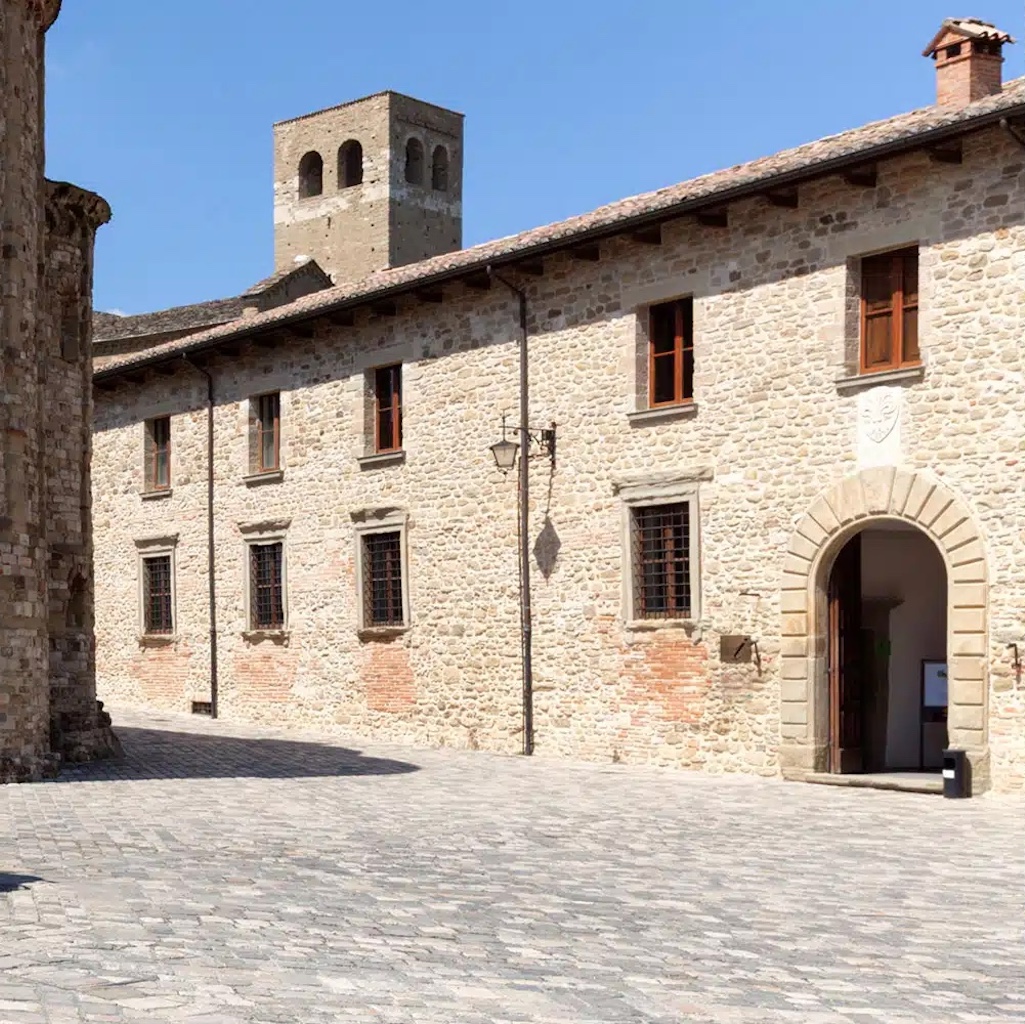
The Medici Palace is in Renaissance style and has on the facade the lily, that is the coat of arms of the city of Florence and Pope Julius II Della Rovere. Built at the beginning of the sixteenth century to house the Governor of San Leo and Montefeltro, it was later expanded by the Della Rovere and currently houses the IAT of San Leo, the Museum of Sacred Art.
dal web
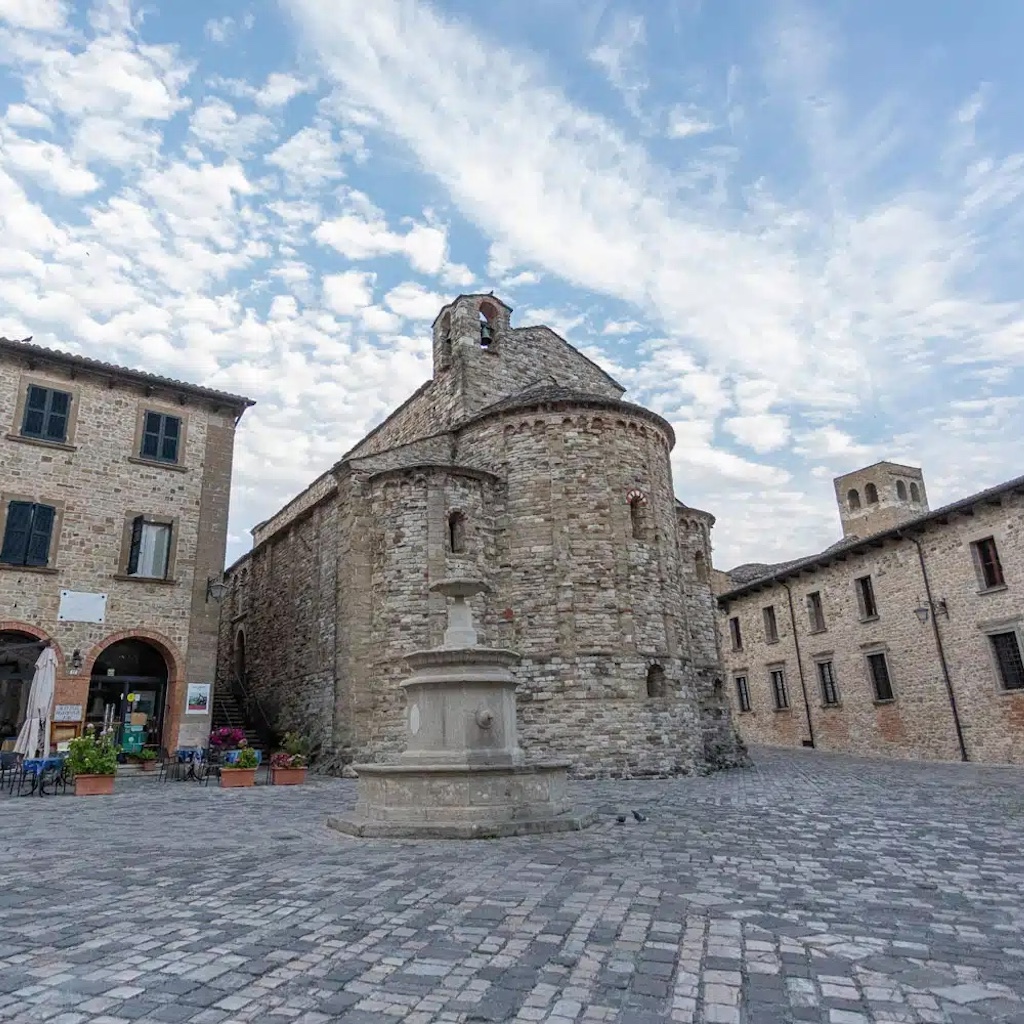
Romanesque church of Santa Maria Assunta
The Parish Church of Santa Maria Assunta is a true artistic masterpiece: it consists of a religious monument, as well as the first evidence of the Christianization of the area. Inside it seems that San Leone spent his last years as a hermit.
dal web
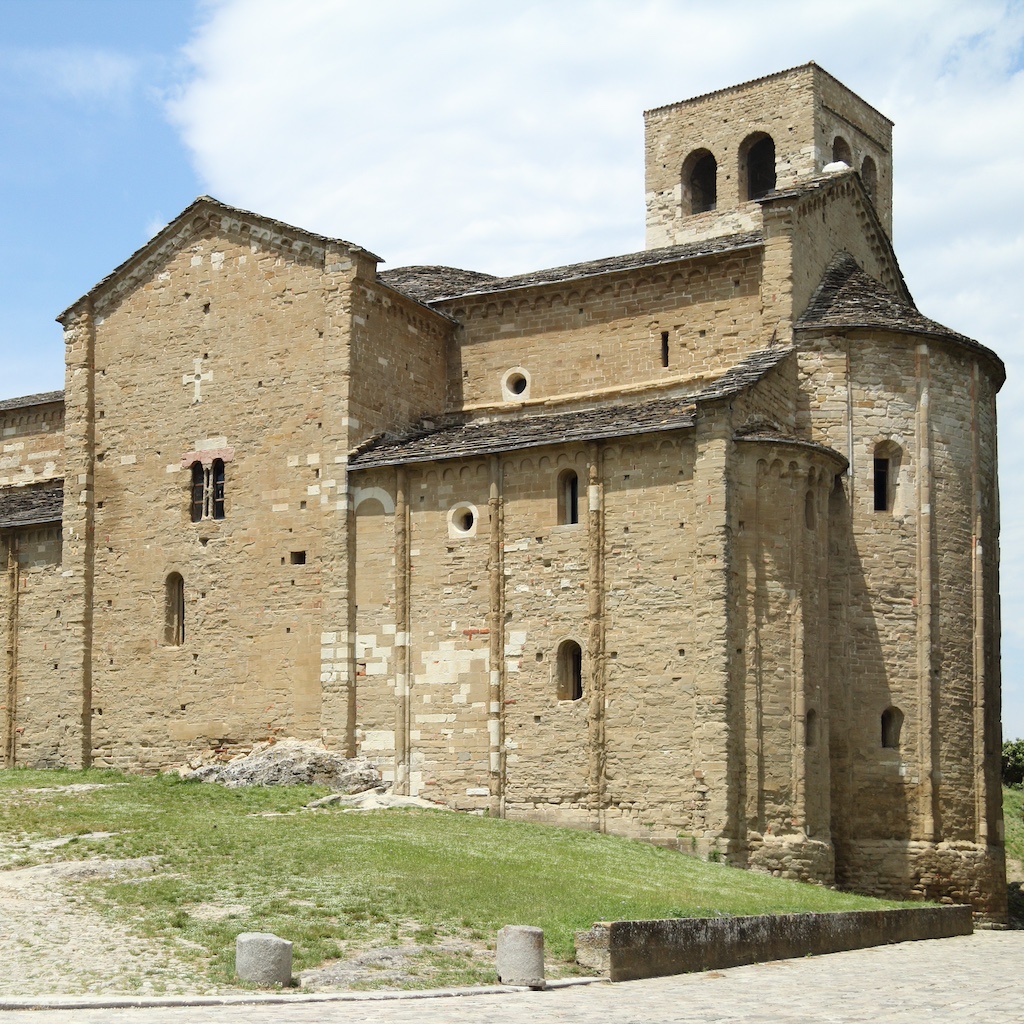
Cathedral of San Leone
Another religious icon, the Cathedral is made in Romanesque style and seems embedded in the rock. Its construction dates back to 1173 and is dedicated to San Leone, so that his remains are kept in the apse of the crypt.
dal web
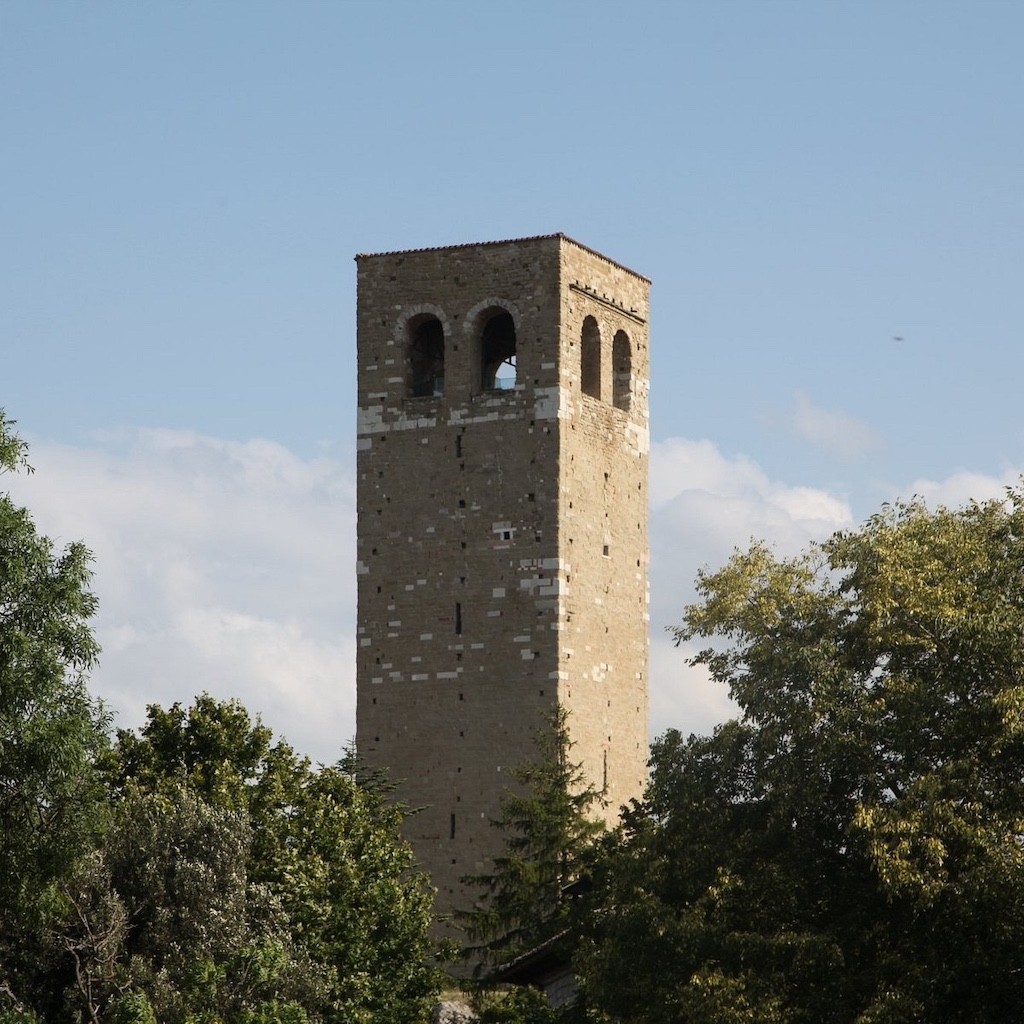
Bell Tower (or Civic Tower)
The Bell Tower stands on the top of Monte della Guardia. Also made in Romanesque style, it is usually closed to the public but is open at local festivals and events.
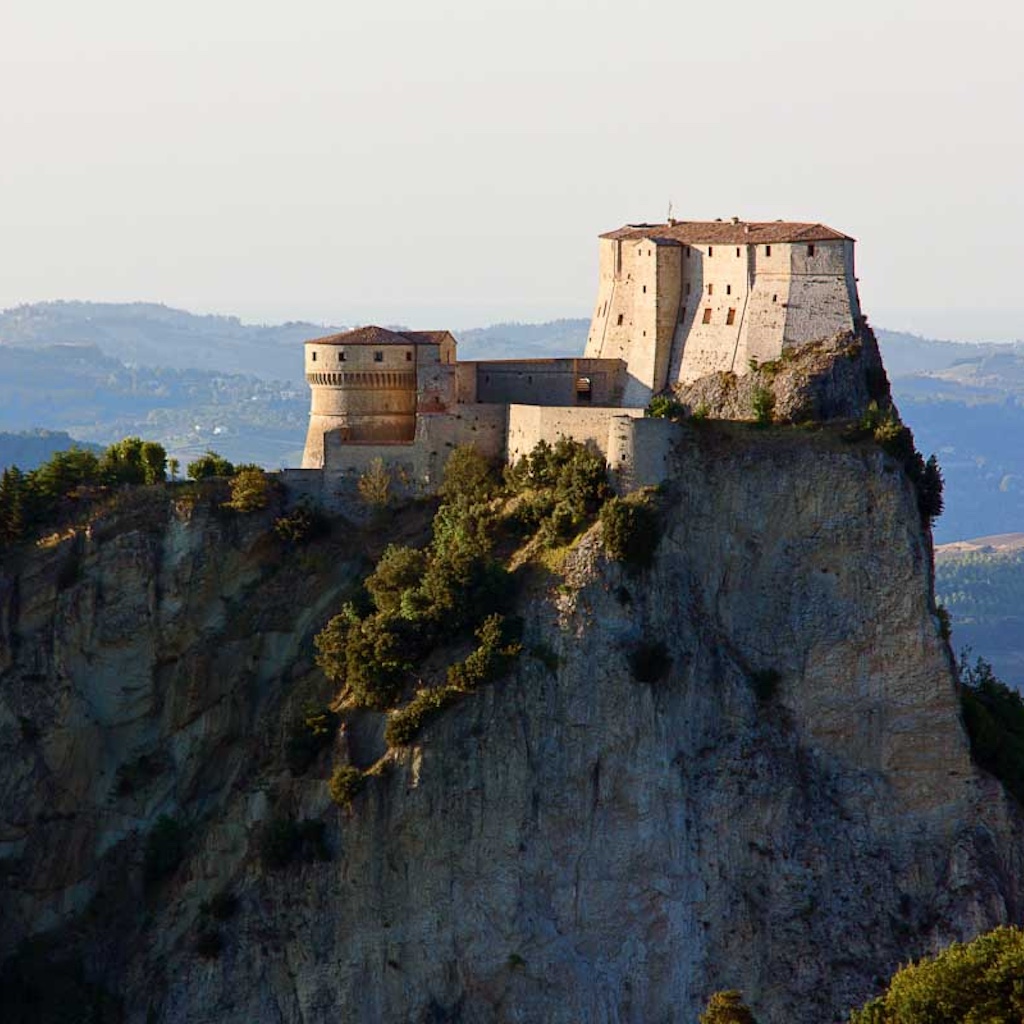
Renaissance fortress of San Leo
The Fortress of San Leo was built on a cliff, from which it dominates the whole village. Its origins date back to the sixth century and has been disputed for a long time by several families until it was conquered in the fifteenth century by Federico di Montefeltro. Today, the interior of the palace houses many museums, exhibitions and exhibitions.
dal web
Santarcangelo di Romagna
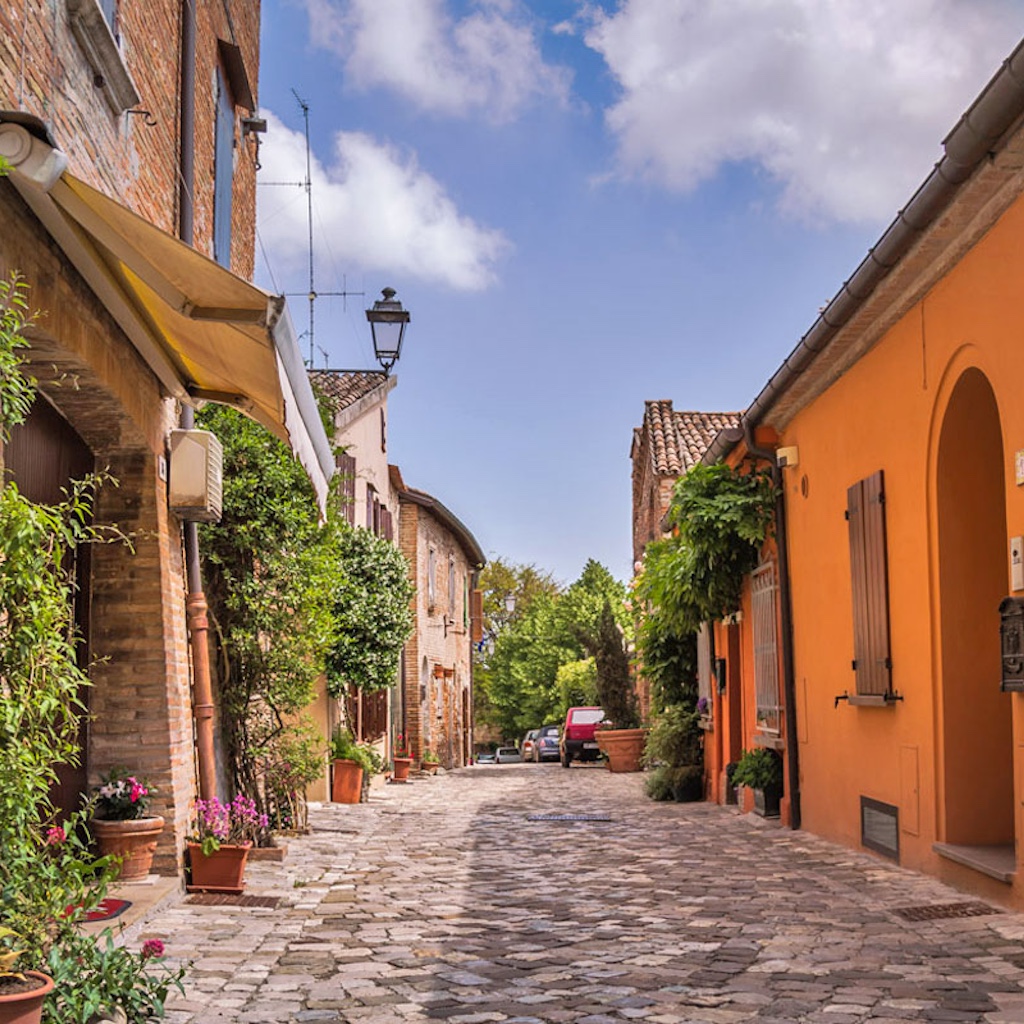
Another symbol of the Romagna hinterland is Santarcangelo di Romagna, an ancient medieval village characterized by noble palaces, alleys and squares surrounded by a lively and welcoming atmosphere. Amazing are also the tuff caves, in fact an underground city.
The village is located on Colle Giove, a few steps from the sea, which makes it a favorite destination during the summer holidays.
dal web
What to see in Santarcangelo di Romagna
Small but charming, Santarcangelo is a village that boasts a very interesting artistic heritage, the result of its history and the passage of illustrious characters inside. Here’s what to see:
Piazza Ganganelli
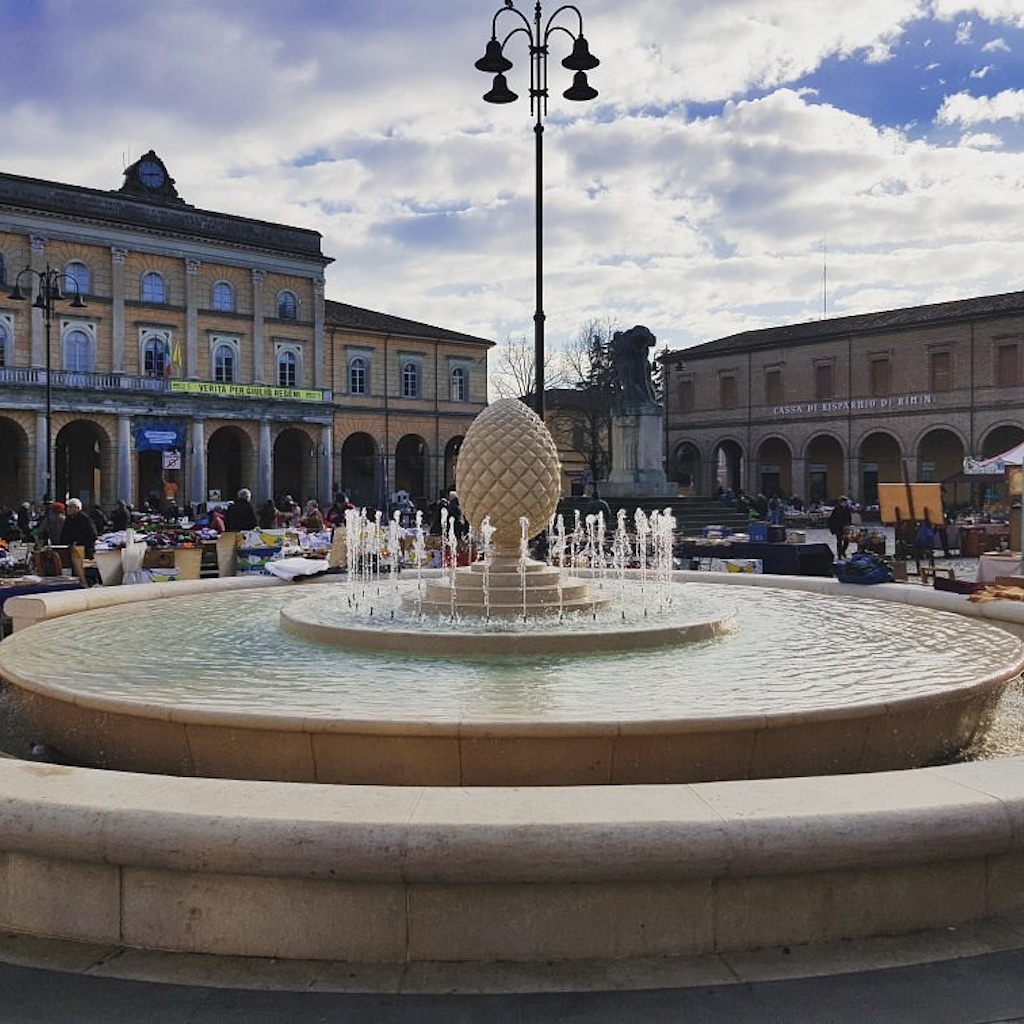
Very large and lively, Piazza Ganganelli houses the huge arch of the same name and the Fountain of the Pine Cone made by Tonino Guerra to symbolize women and fertility. The square is dedicated to Lorenzo Ganganelli, elected Pope with the name of Clement XIV. Today it is a meeting point because of its many shops, restaurants and markets.
dal web
Rocca Malatestiana
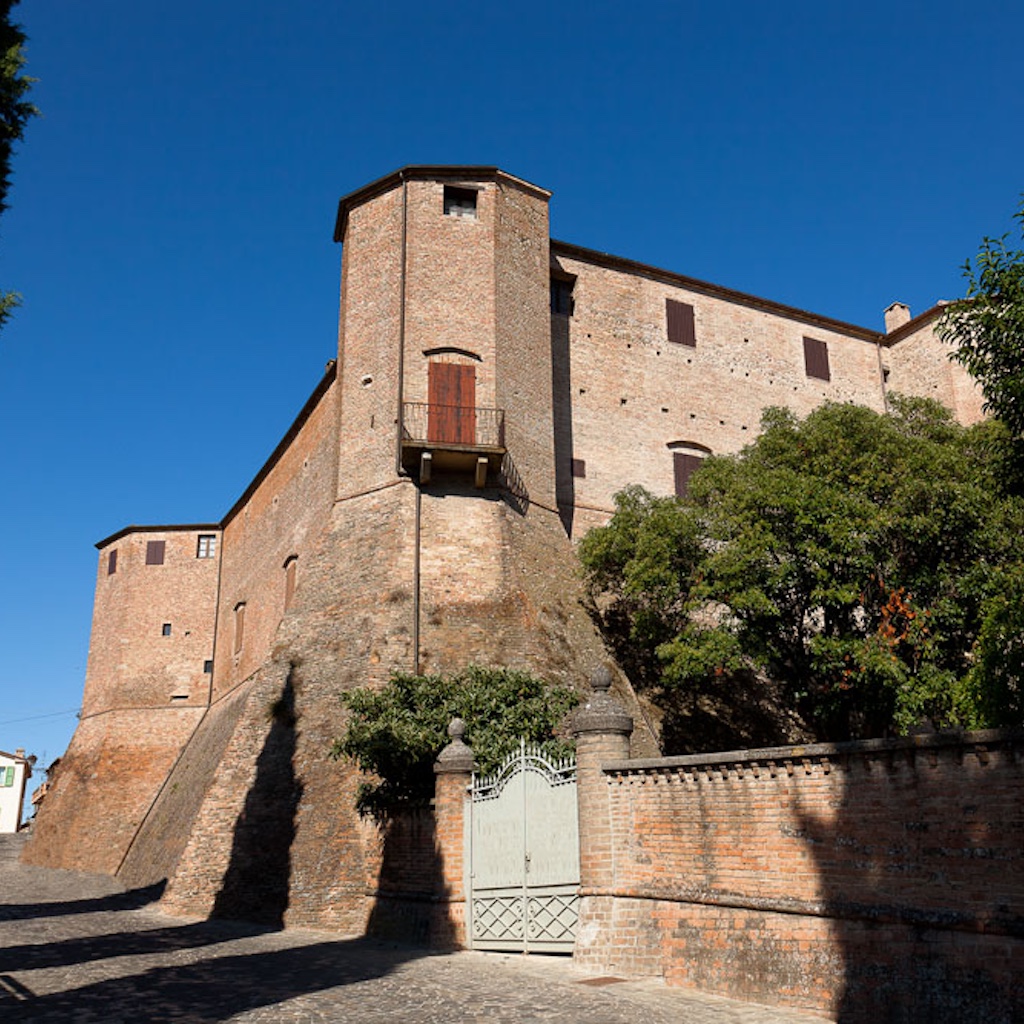
The castle of Santarcangelo coincides with the Rocca Malatestiana: located on a small hill, it was born as a residence of the Malatesta family, while today it is a private residence. The most interesting aspect is the climb to the keep, which involves crossing a spiral staircase to admire a breathtaking view.
dal web
Torre Campanaria
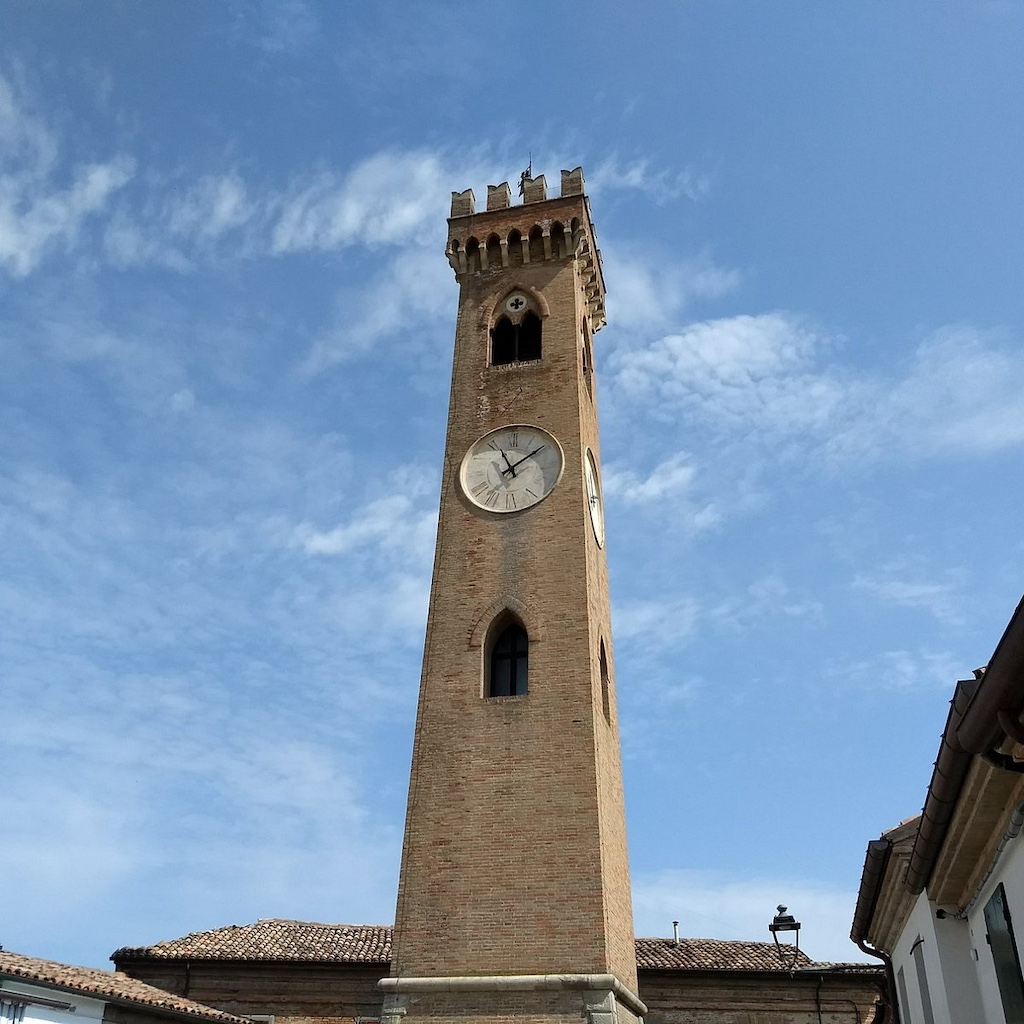
Together with Arco Ganganelli, the Bell Tower is a real symbol of the village: called Campanone by the inhabitants of Santarcangelo, it is 25 meters high and dates back to 1893. At the top is a rotating flag that every 15 minutes marks the hour.
dal web
Porta del Campanone Vecchio
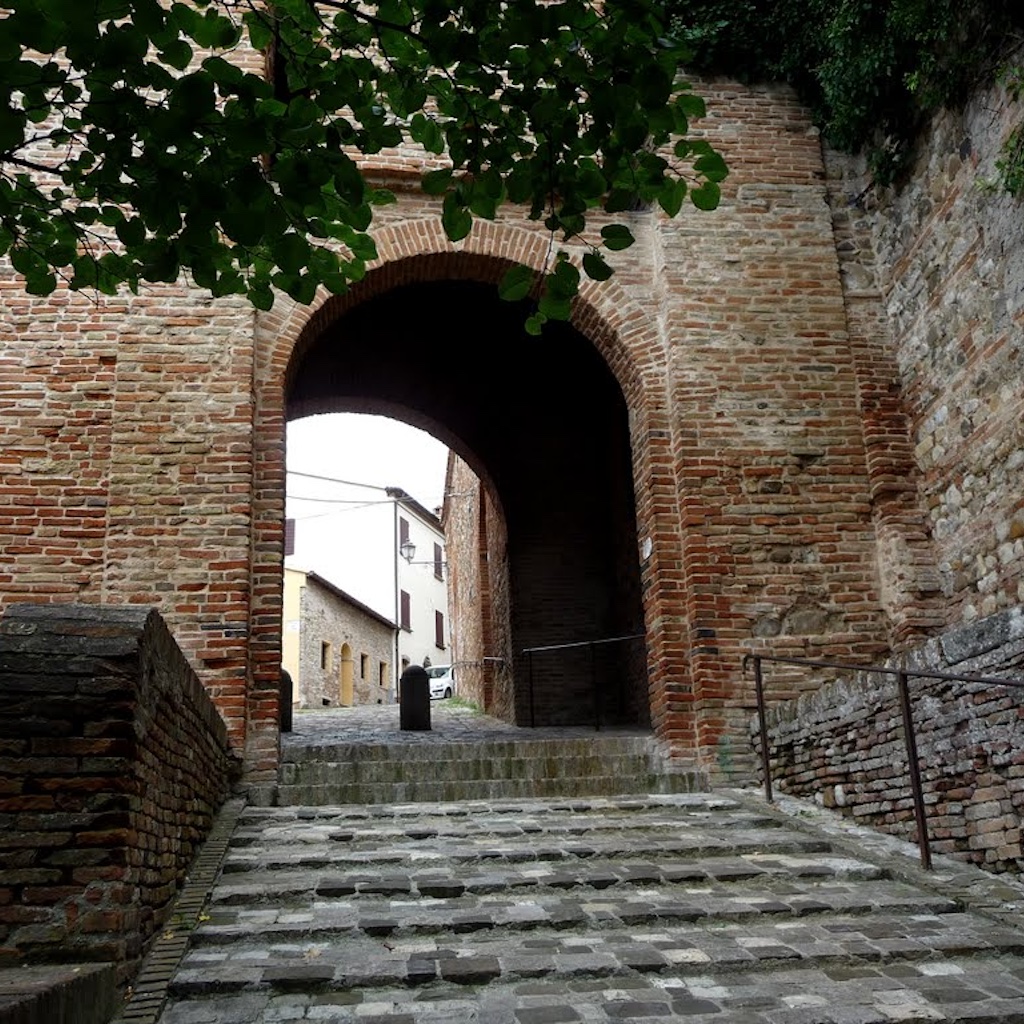
Another must is the Porta del Campanone Vecchio, built in the twelfth century as the entrance to the city. Initially it was surmounted by a bell tower, later demolished, and the remains of the first walls are still visible today.
dal web
Porta Cervese and Piazza delle Monache
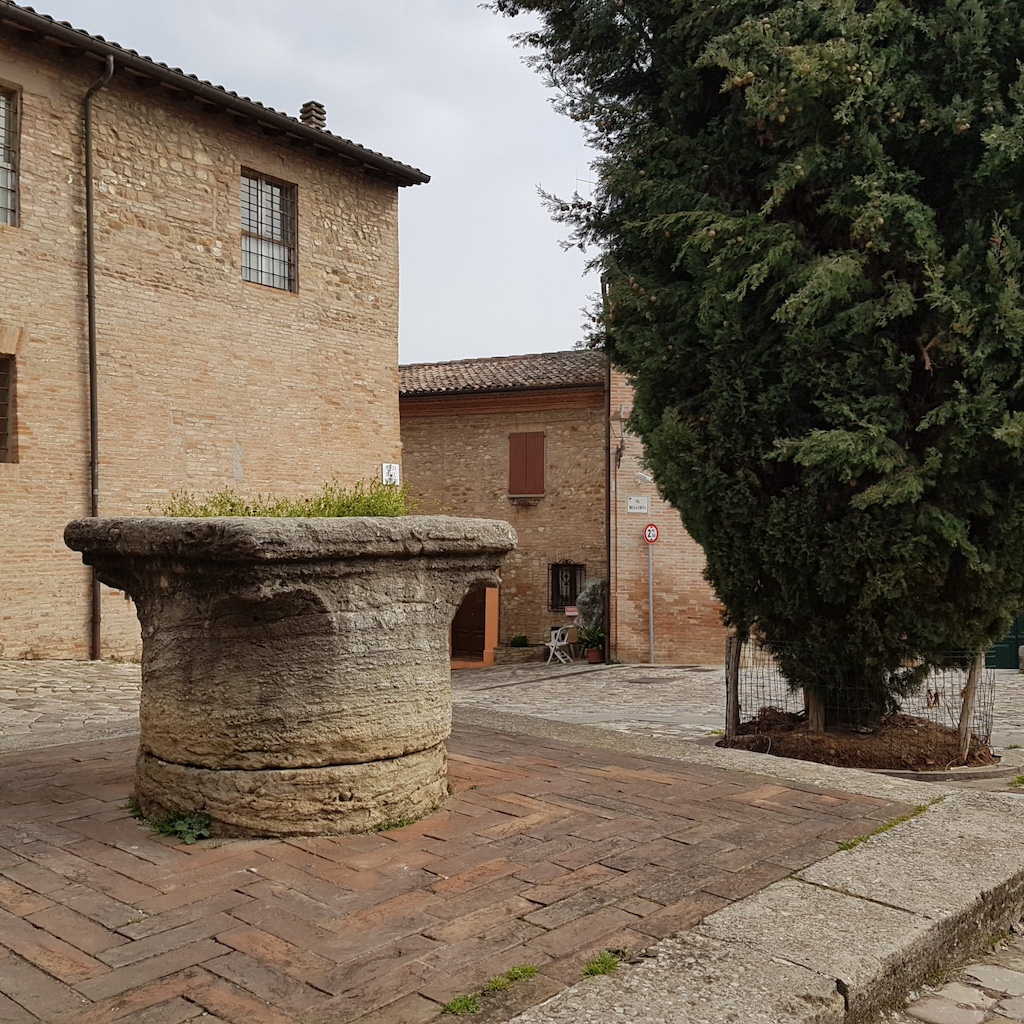
Also known as Porta del Sale, Porta Cervese is the only entrance to the medieval village. Built by the will of the Malatesta, leads to Piazza delle Monache: here overlook Palazzo Cenci and the Monastery of Saints Catherine and Barbara.
dal web
Tuff caves
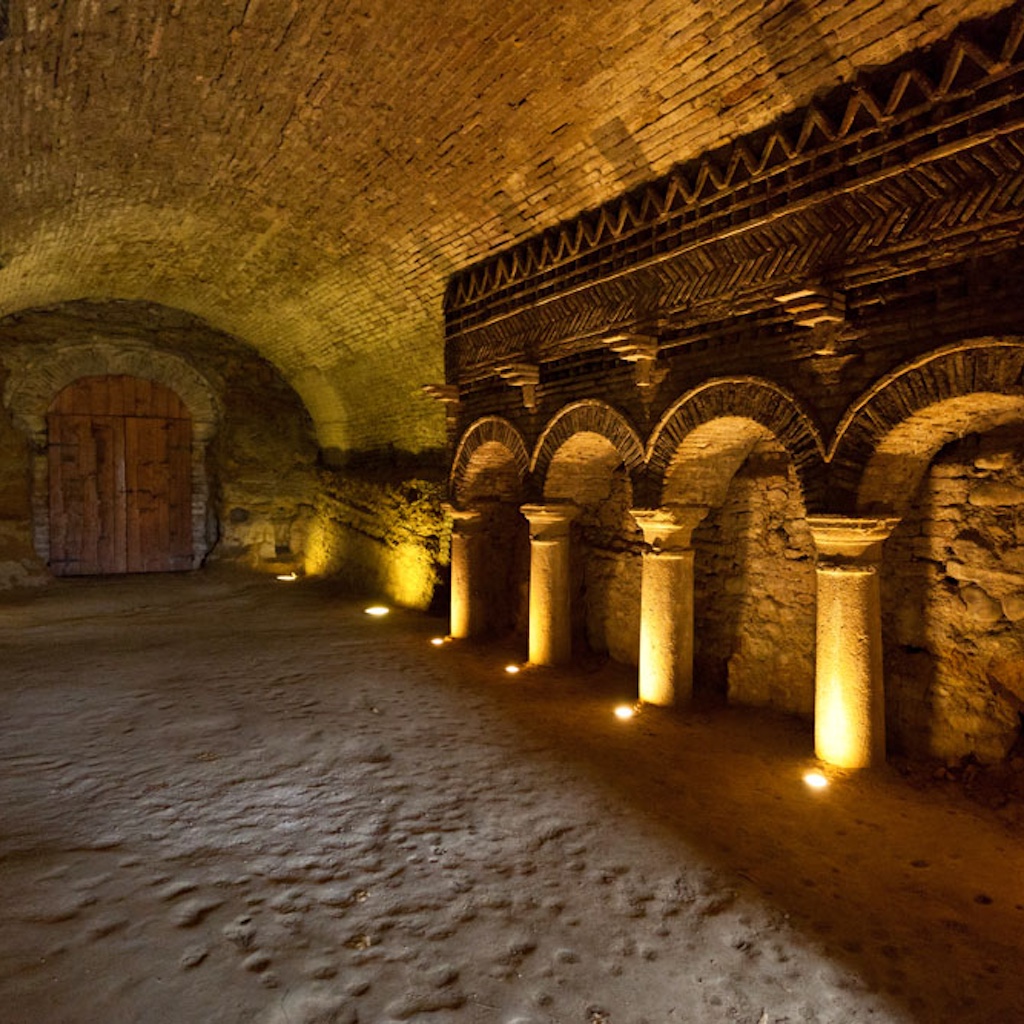
Santarcangelo also hides a very fascinating underground world, made of caves and built in the Middle Ages to allow citizens to find shelter during the enemy sieges. The caves in question are 150 that, together, create a real underground city composed of tunnels, tunnels, wells, granaries and glaciers.
dal web
Chiesa Collegiata
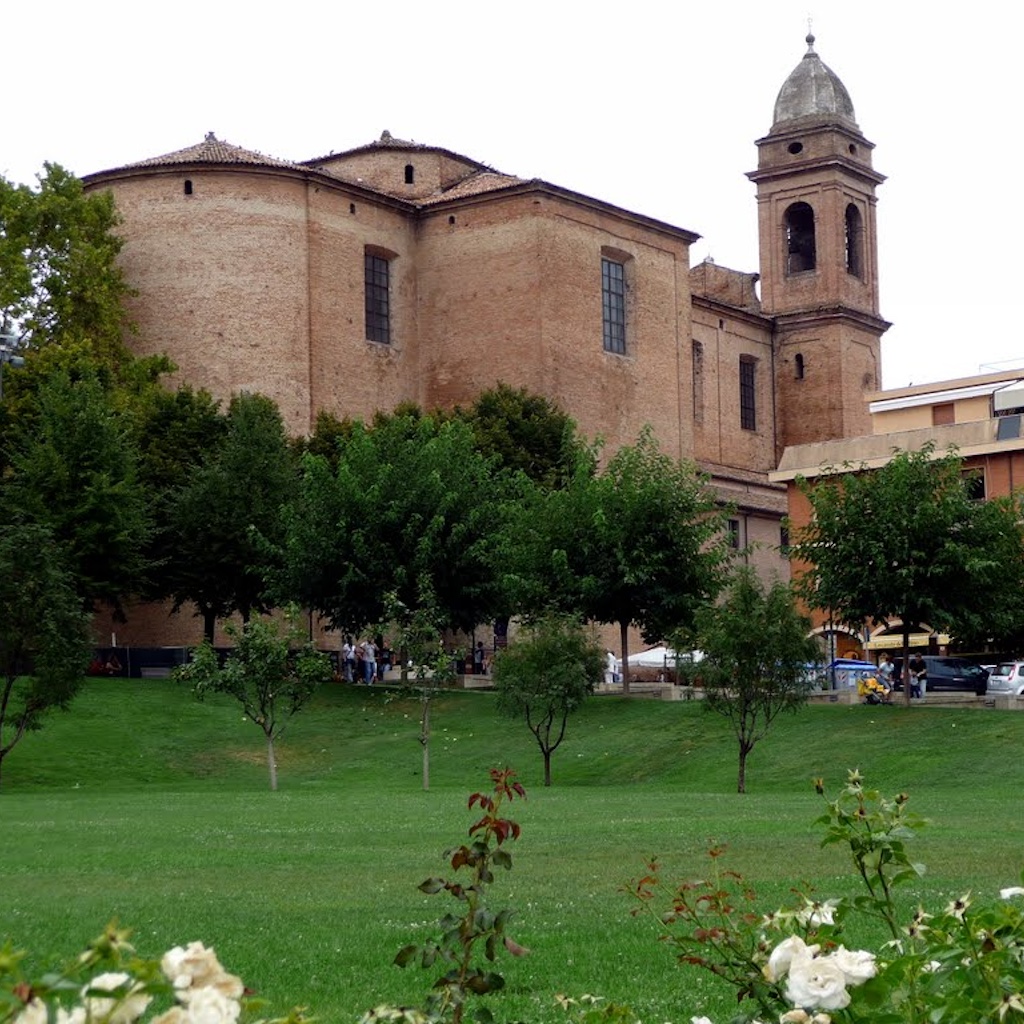
The Collegiate Church dedicated initially to the Blessed Virgin of the Rosary is a small local jewel: built in 1744, it is currently the Parish of San Michele Arcangelo. The exterior facade is very simple, as well as the interior that houses a painting by Guido Cagnacci and the fourteenth-century crucifix of the Rimini school that comes from the Pieve di San Michele.
dal web
Pieve San Michele
Finally, here is the Pieve San Michele: it is located outside the town and its construction dates back to the sixth century, in Byzantine times. Inside you can admire the baptismal font and some traces of the fresco of San Sebastiano.
Copertina: dal web


