Sicily is home to the magnificent and terrible guardian of a thousand-year history: Etna. This giant proudly stands over three thousand meters above sea level and dominates the surrounding landscape.
On the eastern side of Sicily, rises with majesty Etna, one of the highest volcanoes in Europe and among the most active in the world. With its imposing presence, it exerts an irresistible attraction on anyone arriving in Catania. Let’s discover together this incredible place with its history and excursions to do safely.
For some years, Etna has been recognized as a World Heritage Site, confirming its status as a natural wonder.
The importance of Etna in the territory
For the people of Catania and more generally for the Sicilians, Etna represents something more than a simple volcano; it is an integral part of their landscape and their identity. It is enough to start from what is the meaning of the name Etna to fully understand it.
It is still known locally as “Mongibello”, a fusion of the Latin word “mons” and the Arabic word “jabal”, both with the meaning of “mountain”. The locals call him affectionately “A Muntagna”, recognizing his grandeur and his role in Sicilian life.
Culturally, Etna infuses strength and vitality and connects the inhabitants with the earth. It has a profound impact on the life of the community, which often celebrates the volcano through anniversaries, festivals and crafts.
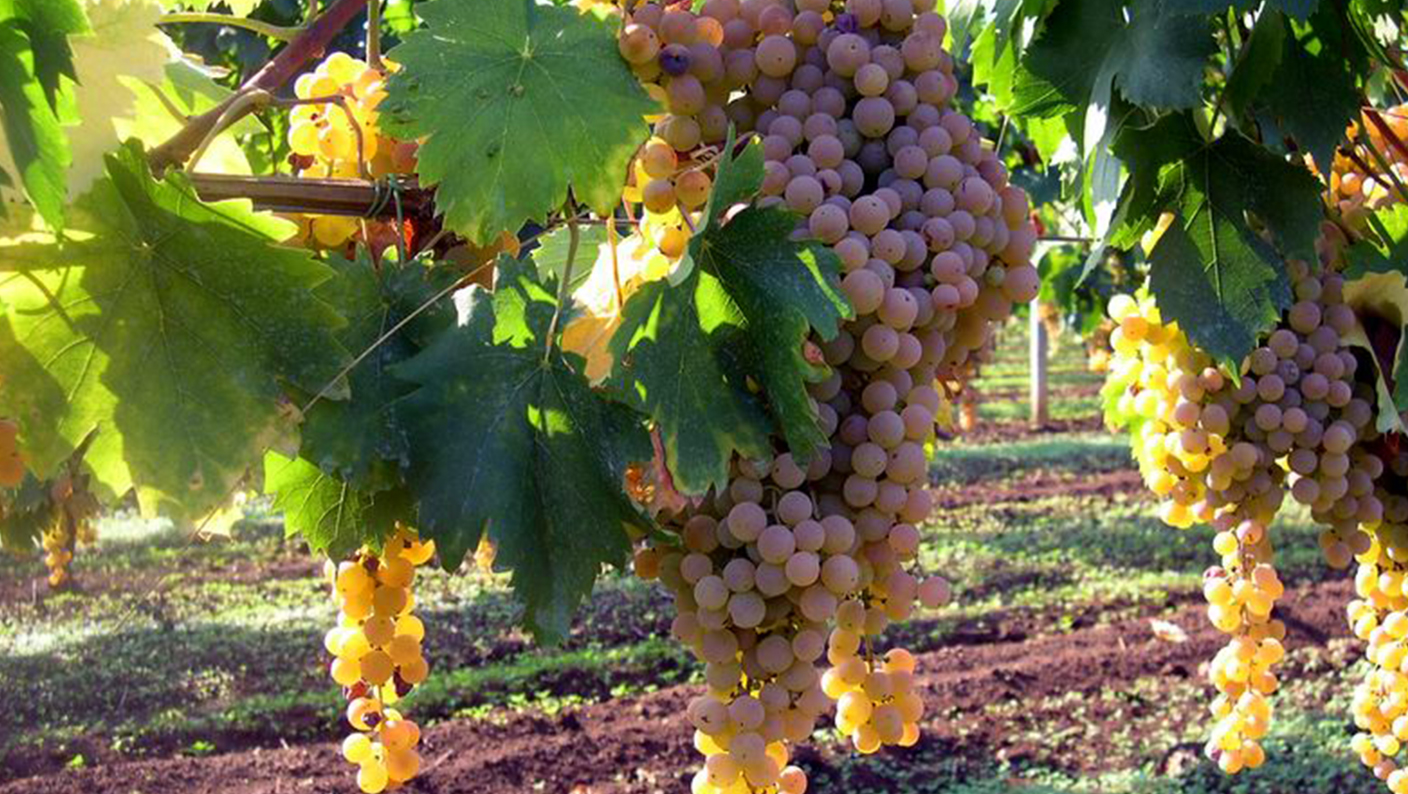
From a socio-economic point of view, it is a valuable natural resource for agriculture, since volcanic soils are extremely fertile and favour the cultivation of quality products, such as grapes, citrus fruits, apples and other fruit and vegetable products.
Moreover, tourism linked to Etna generates significant revenue for the territory as an attraction for nature lovers, hikers, geology enthusiasts and curious.
The characteristics and dimensions of Etna
Where Etna is and where to go to admire it are not secrets. Despite the ongoing volcanic activities that continue to change its appearance, what still continues to amaze is the size of the volcano: its height exceeds three hundred meters, its diameter extends for about forty kilometers and its surface is over twelve hundred square kilometers.
It is a volcano composed of layers of different types of rocks and volcanic materials: it looks like a shield volcano defined by fluid lava and gentle slopes up to two thousand seven hundred meters of altitude; takes on the characteristics of a stratovolcano with viscous magma and explosive eruptions above that altitude. This geological diversity contributes to complex volcanic activity, ranging from quiet eruptions to violent phenomena.
How is the situation on Etna today? The volcano is still active, although the Civil Protection Department currently indicates a low alert level.
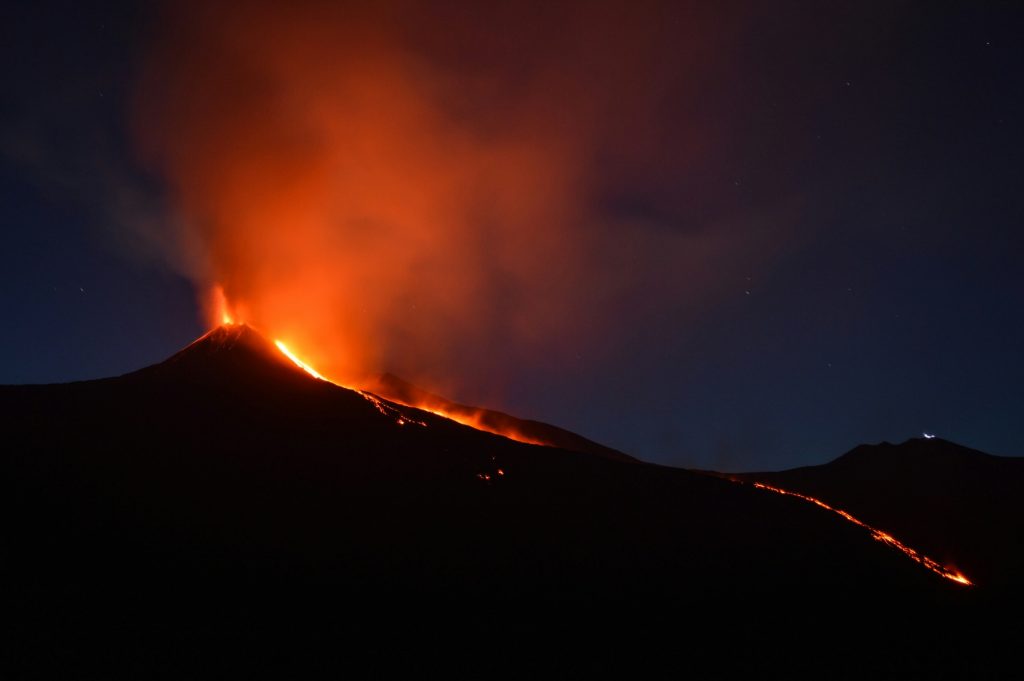
Foto : Unsplash
A journey through the craters of Etna
The volcano is known for its incessant activity, with eruptions that have occurred regularly since the beginning of the new millennium. Currently, the volcano hosts five main active craters:
- The Northeast Crater: Created in the early twentieth century, the crater experienced a period of growth until the fifties, followed by a collapse. Over the years, its height has gradually risen to become one of the highest points of Etna;
- The Chasm: Formed in the forties, this cavity has been the protagonist of numerous explosive eruptions, earning the nickname “pit crater”. His activity has contributed to shaping the surrounding landscape;
- La Bocca Nuova: Appeared in the late sixties, has continued to grow steadily over the years. The eruptions of the crater Voragine influenced its evolution, filling it with lava and causing the collapse of the diaphragm;
- The Southeast Crater: Born in the seventies, the Southeast Crater showed significant activity especially in the late nineties, producing a series of lava fountains at the beginning of the new millennium;
- The new Southeast Crater: Its constant activity, evidenced by phenomena of Strombolian type, led it to reach the height of the other craters and made it an important observation area for experts in the field.
These craters represent the focal points of the volcanic activity of Etna, attraction for both experts and visitors eager to observe the summit craters with the assistance of volcanological guides and specialized transports.
Exciting volcano experiences: hiking, jeep tours and more
Etna offers a wide range of activities for visitors, first of all hiking or exploring the area by mountain bike or horse and visits to the lava caves.
For the more daring visitors, a quad or jeep tour is an adrenaline experience immersed in the beauty of the volcanic scenery of Etna.
Among the experiences not to be missed is the visit to the Valle del Bove, a vast caldera shaped by the activity of the first formation of the volcano (Trifoglietto) and by eruptions and lava flows and characterized by a wild landscape. Inside there are various natural ridges such as the Rocca della Valle, Monte Scorsone and Rocca Capra and the Serra del Salifizio area dominated by the walls of Monte Zoccolaro and Schiena dell’Asino.
With their geological formations and lava tunnels shaped by the exhaustion of underground volcanic lava, even the more than two hundred caves of Etna under the volcano’s crust, from the most accessible to the most demanding, offer a unique experience. One of the most famous is the Grotta dei Lamponi, so called for its characteristic red deposits. Other Etna caves include the Grotta del Gelo, the Grotta dei Tre Livelli and the Grotta Serracozzo, each with unique features.
Finally, the Etna cable car offers panoramic views of the volcano’s peaks and craters, creating a unique way to explore this giant from a privileged perspective.
Copertina: Unsplash