Sicily, the Valley of the Temples, is one of the main tourist destinations for those looking for a journey of archeology. The island has been inhabited since very ancient times, and over the centuries has seen the succession of numerous dominations and cultures, each of which has left deep traces. Just think of Agrigento, founded by the Greeks in the 11th century BC, where the famous Valley of the Temples still stands.
Such a territory could not fail to have a proper museum. This is why in Agrigento the Pietro Griffo Regional Archaeological Museum was founded in 1967. The architect Franco Minissi was responsible for the design of the structure. Inside you can find some well-known finds, including the statues of the Telamon of the Olympeion and the Ephebos of Agrigento.
The rooms of the museum
The Regional Archaeological Museum of Agrigento consists of seventeen rooms, which can be divided into two large macro-areas. The first includes the rooms from the first to the eleventh, where are collected the finds found in Akrágas, the ancient city that once stood in this territory. The second part, which includes the remaining rooms, shows traces and finds that come from both Agrigento, Caltanissetta and Enna.
Through the halls you can find finds of all kinds. They range from statues, including the Telamon and the Ephebos, to testimonies related to everyday life, from coins to votive statues. The museum is open all year round, but before a visit we suggest you take a look at the opening times from the official website.
The Telamon of the Olympeion
The sixth room is dedicated to some remains from the ancient Temple of Olympian Zeus, also known as Olympeion. This temple was erected in the first decades of the 5th century BC, and there are several written traces of its presence over the centuries. The temple also survived in Roman times, but in 1401 it ended up being reduced to rubble by an earthquake. Since then the temple has not been renovated, and as in many other cases some of its materials have been reused.
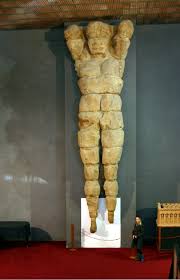
In this room there are both a Telamon coming from the Olympeion, and a model that aims to show a reconstruction of the temple. In addition to the whole Telamon there are also three heads. It seems in fact that the Telamon was not simply a statue, but a real column carved to have human features, and that for this reason in the temple there should be several specimens. The most accredited hypothesis is that inside the building there were 38 columns like this.
The Olympeion Telamon in the Regional Archaeological Museum of Agrigento has a height of more than seven meters, and is considered among the largest sculptures related to Greek art.
Fonte : Wikipedia
The Ephebos of Agrigento
In the tenth room you can admire three different sculptures from the Greek era. Next to a male torso and an “Aphrodite in the bath” stands one of the most famous works housed in the Regional Archaeological Museum of Agrigento, the famous Ephebos, a statue that belongs to the typology of kouros.
From the point of view of the dating there are no certainties, but according to experts it could have been realized at the beginning of the fifth century B.C. Also on the origin there are unanimous opinions: could have been made in Sicily or imported directly from Greece.
The discovery is quite recent, and dates back to 1897.
How to get to the Museum
Getting to the Regional Archaeological Museum of Agrigento is quite simple. The property is located outside the city, in Piazza San Nicola. Its location makes it a perfect stop before entering to visit the Valley of the Temples.
For those traveling by car just follow the signs. From the center of Agrigento it takes about five minutes. By public transport, however, we recommend that you head to Piazzale Rosselli, from where you can take the local buses. Also in this case the journey is very short.
If you are looking for a good fish dish we suggest you try the sole alla saccense. The taste of sole is enhanced by the use of citrus fruits.
Instead, turning to meat you will not struggle to find the “stigghiola”. Essentially it is a skewer made with sheep guts, then cooked on the grill.
As for desserts, we suggest the excellent cciarduni, a sweet made with ricotta cream and decorated with tasty almonds.
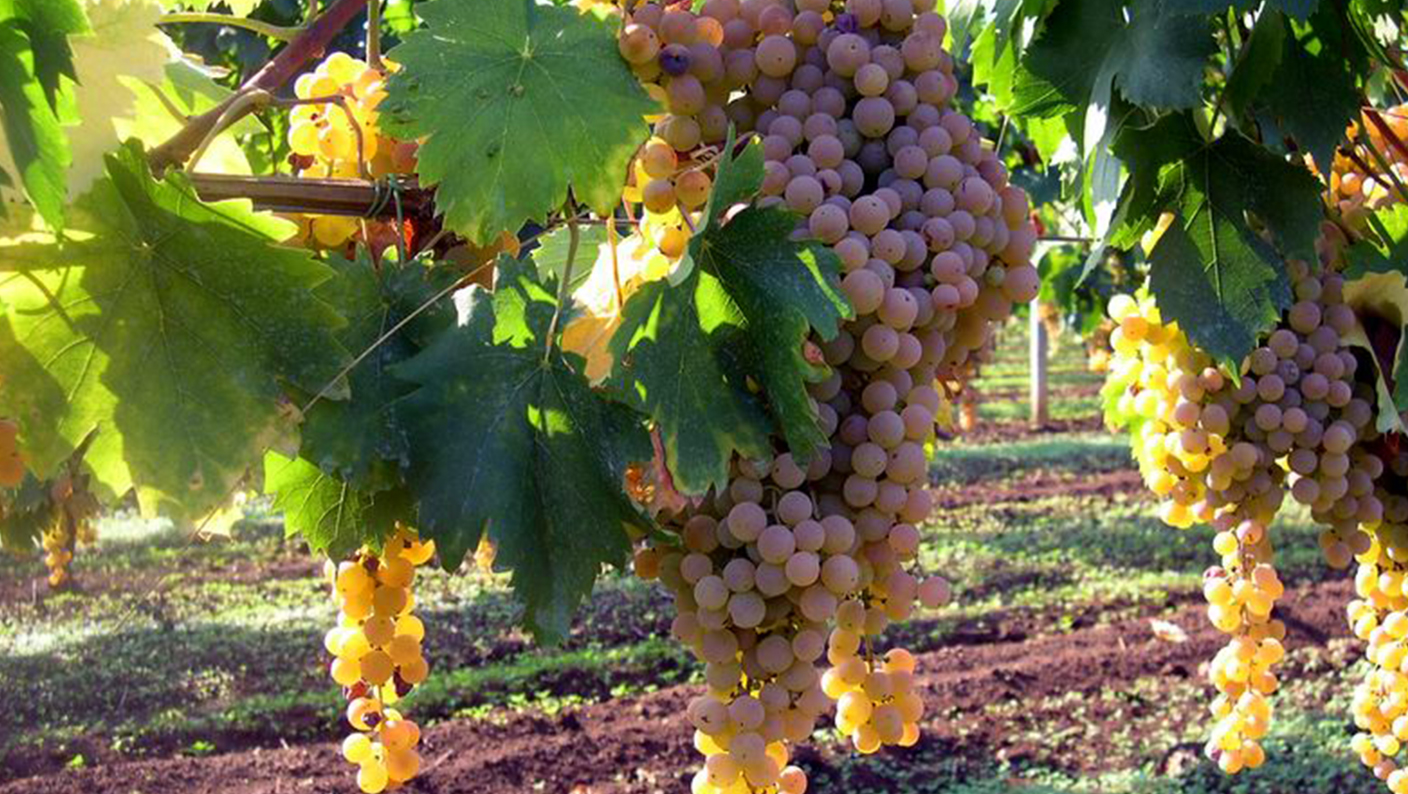
A good lunch or a delicious dinner must also be accompanied by fine wine. Among the native vines of the area stands out without any doubt the Grillo, from which are produced very fresh white wines. We recommend it especially if you are eating fish dishes.
Copertina : Unsplash