Discover the most important natural area of Sardinia
In Sardinia there are many fascinating places to visit such as the wonderful Park Molentargius. This protected area is located a few kilometers away from the city of Cagliari and is now a very important habitat for many species of animals and birds, including the famous pink flamingos.
That’s not all, in fact this area has a particularly rich flora with over 600 species of plants. The park is located in the area where once there were the salt pans of Cagliari and has a history to discover. In these places there are many different landscapes such as the salt lagoon, sand dunes, wet meadows and rocky hills.
Here you have the opportunity to see many species of birds in their natural environment. This is possible through the paths that allow visitors to discover the wonders of this territory.
Molentargius Saline Park, where is it?
The Molentargius Park is a protected natural wetland area that covers an area of 16000 hectares between the city of Cagliari and Quartu Sant’Elena, in the hinterland of the Sardinian coast. It is a naturalistic area of great importance in which there is a unique environment that must be protected and safeguarded.
Today the Molentargius Park is one of the most visited places in the vicinity of the city of Cagliari and every year welcomes many visitors who come here to admire this wonderful natural spectacle.
The history of the Molentargius Saline Park
The history of the Molentargius Saline Park is closely linked to that of salt harvesting in these territories. Until 1985 this was the most important sea salt extraction basin on the island. The name Molentargius comes from the Sardinian word that has the meaning of donkey. These, in fact, were the means of transport used for the precious loads of salt.
Its birth occurred in 1999 following a regional law of 26 February that had as its objective to enhance this site of great international interest. The Molentargius Saline Park still preserves traces of the industrial past of this area as evidenced by the machinery and buildings of the early ‘900 of the City of Salt.
The history of the salt pans is ancient and in fact already the Phoenicians, the Punics and the Romans exported Sardinian salt. The industrial production of salt in these territories began in 1830. Between the 20s and 30s of the 20th century it was given new impetus with modern plants. In 1977 the area was included in the Ramsar Convention as one of the wetlands of international importance.
Parco Molentargius Saline, here’s what to see
The Molentargius Park offers many things to see for visitors who have the opportunity to admire something unique. One of the main attractions of this natural area are undoubtedly the pink flamingos. These beautiful birds are a fascinating sight that you can admire during the spring and summer.
These migratory birds choose the Molentargius Saline Park as a resting place during their long journeys. In particular, it is advisable to visit the park in the early morning or late afternoon as at these times the flamingos are more active and therefore are easier to observe. But that’s not all, in fact in the park there are also other birds such as gulls with thin beaks and kingfishers.
One of the main features of this area is the variety of different environments that you can find. Here there are both fresh and salt water basins. The latter are located in the area of the area that was once part of the production system of the salt pans of Cagliari.

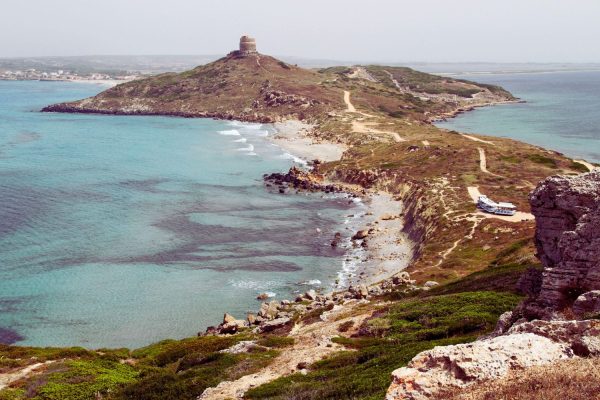
Foto : Costa Smeralda
The paths of the Molentargius Saline Park
To discover the wonders of the Molentargius Saline Park you can follow several paths that wind through this natural area. In fact, there are also guided birthwatching routes that provide controlled use in order to allow knowledge of the environment and its characteristics without damaging the fauna and flora in the park.
In the area of the salt marshes it is possible to make excursions both on foot and by bicycle following the cycling paths. The free paths here are located both in the territory of the municipality of Cagliari and in that of Quartu Sant’Elena. You pass through open spaces near ponds, ponds and salt pans. Here you can admire the typical vegetation of the wetlands and you can spot many species of birds.
Copertina: Costa Smeralda